
Our impact
Where ecology pays for itself.
We measure our climate dividend in hectares, vegetation cover, tonnes of carbon and women's incomes.
60haland restored
500+households supported
10+schools reached
700+NutriPop sachets served
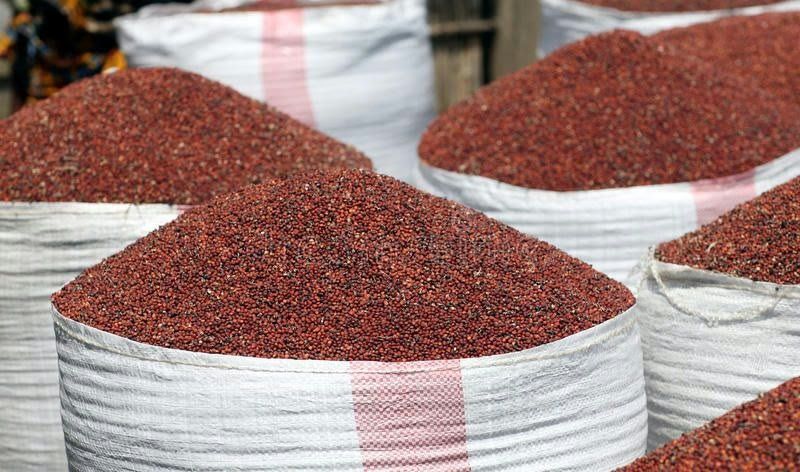
4,200kgsorghum from the 2025 pilot
Progress so far
We've already shown it works.
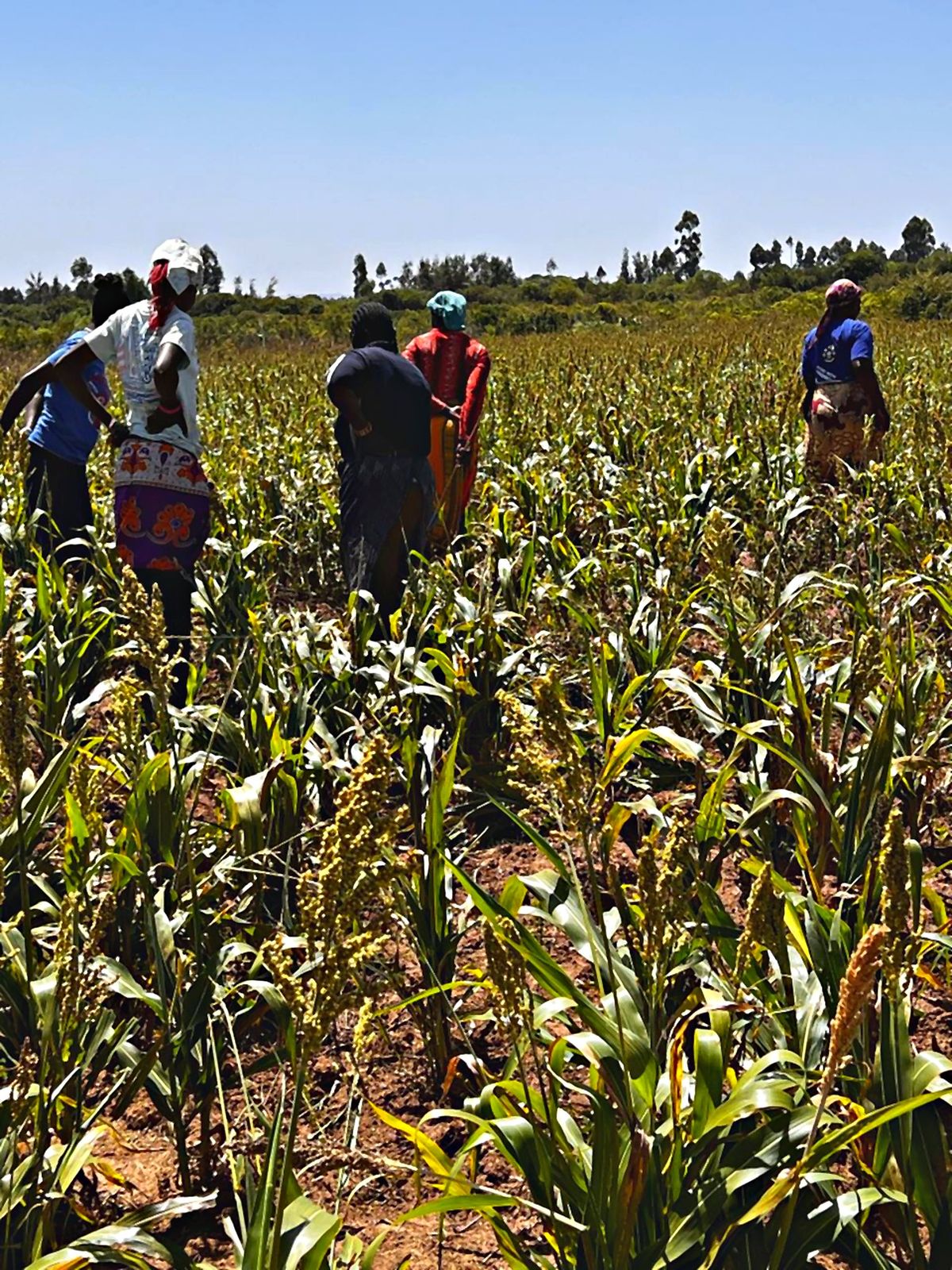
Our 2025 pilot proved the model on 4 hectares of semi-arid land. In 2026 we took it to a second county, and today we work across 60 hectares of Kenya's arid and semi-arid lands.
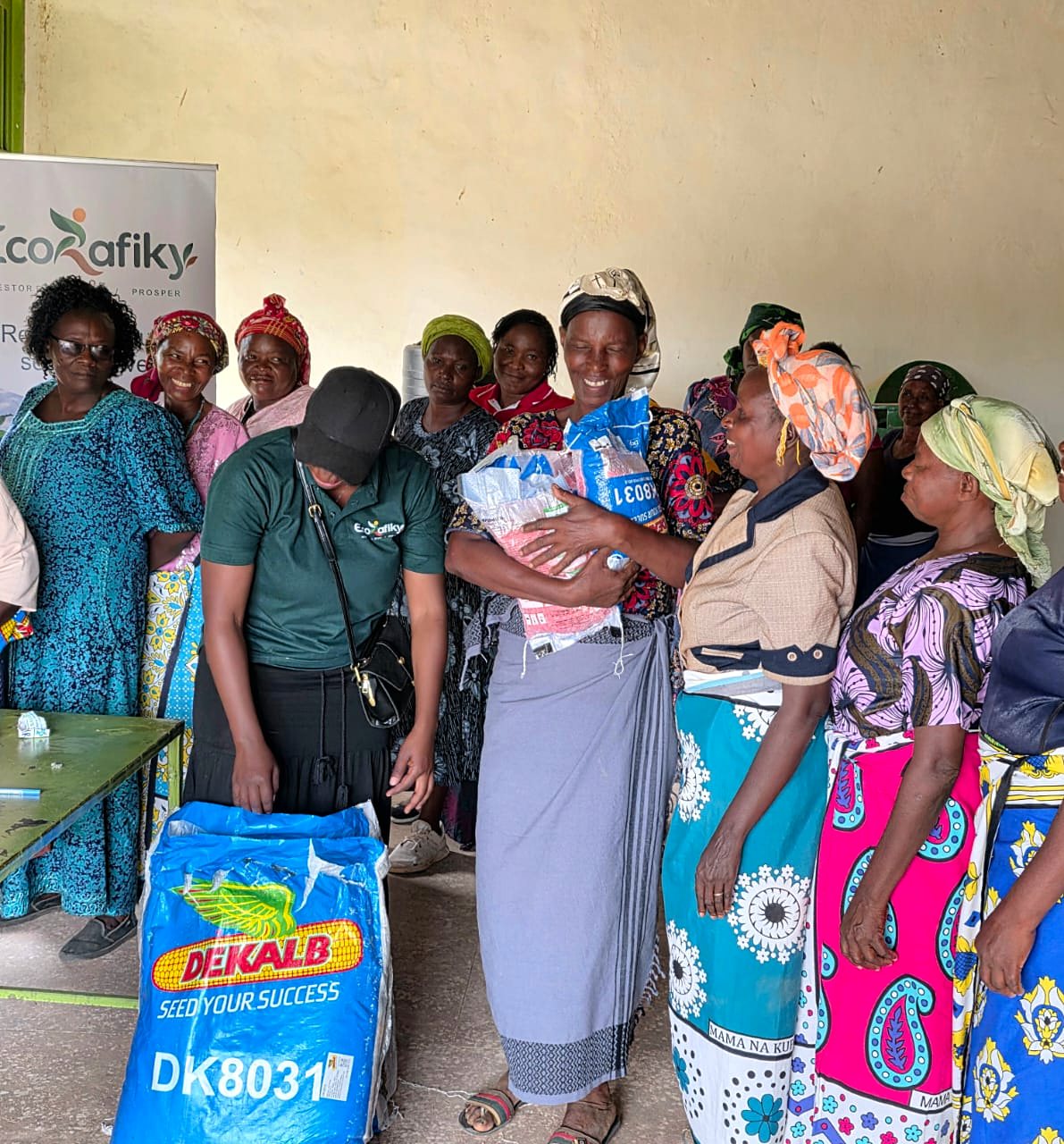
Seed and input distribution across Kenya's drylands
EABL supplier compliance pathway underway
NutriPop reaching 10+ schools, with 700+ sachets served
Post-harvest storage partnership secured
Seed and training partnerships established
NutriPop at minimum viable product stage, now being refined
Next milestone · 2027
Four metrics, measured and verifiable.
We passed our 2026 goal of 40 hectares. Here is what we are working towards next.
80
Hectares
restored, with 60 done today
50%
Vegetation cover
on restored plots, up from 30% in the pilot
100 MT
CO₂ per year
stored in soil and biomass
100
Women
earning €880 a year on regenerated land
Roadmap
From 4 to 80 hectares.
Each year vegetation cover grows, and so does revenue. Then we take the model across Africa.
2025
Pilot
Proof of concept
- 4 hectares regenerated
- 30 women onboarded
- 30% vegetation cover
- NutriPop tested in schools
- First market validation from local buyers
2026
Scale
A second county
- 60 hectares restored, past the 40 hectare goal
- 500+ households supported
- Seed and inputs for women farmers
- NutriPop in 10+ schools, 700+ sachets served
- Post-harvest storage and aggregation
2027
Expand
Across Kenya's ASALs
- 80 hectares restored
- More women farmers onboarded
- 50% vegetation cover
- Full NutriPop distribution
- Stronger recurring revenue
2028+
Scale
Across Africa
- Take the model to drylands beyond Kenya
- Local partners in each new country
- More women farmers and hectares restored
- NutriPop for more school feeding programmes
- Restoration paid for by the harvest
Expected outcomes
What success looks like.
Better land productivity and recovery of degraded dryland
More farmers using drought-resilient crops and practices
Stronger incomes and market access for women farmers
Stronger local food systems and value addition
More locally produced food for school feeding
A model that keeps restoration going beyond short-term funding