
Bringing tired soil back to life.
We restore the land and support farmers to use climate-resilient farming practices.
Planting material and education
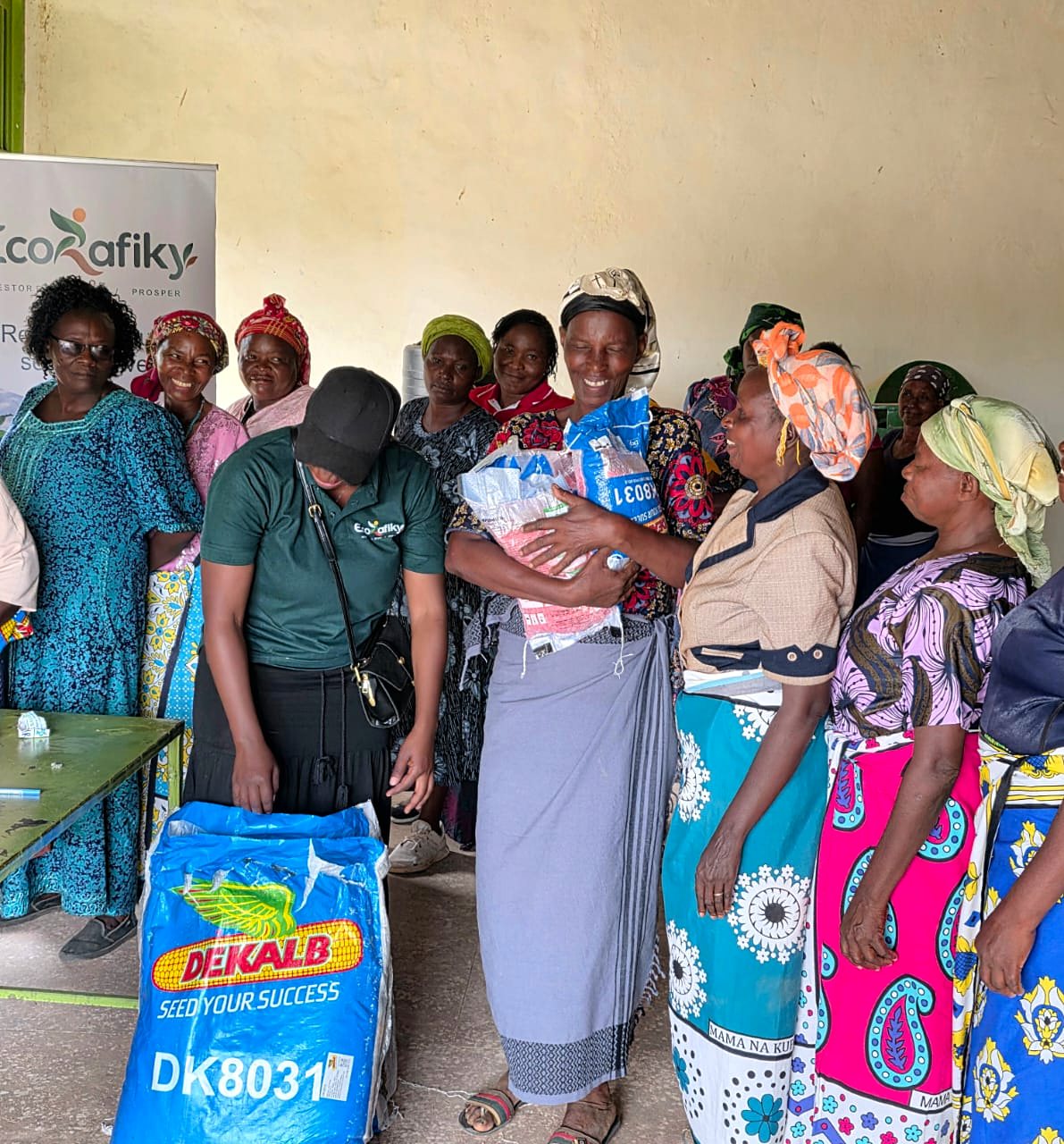
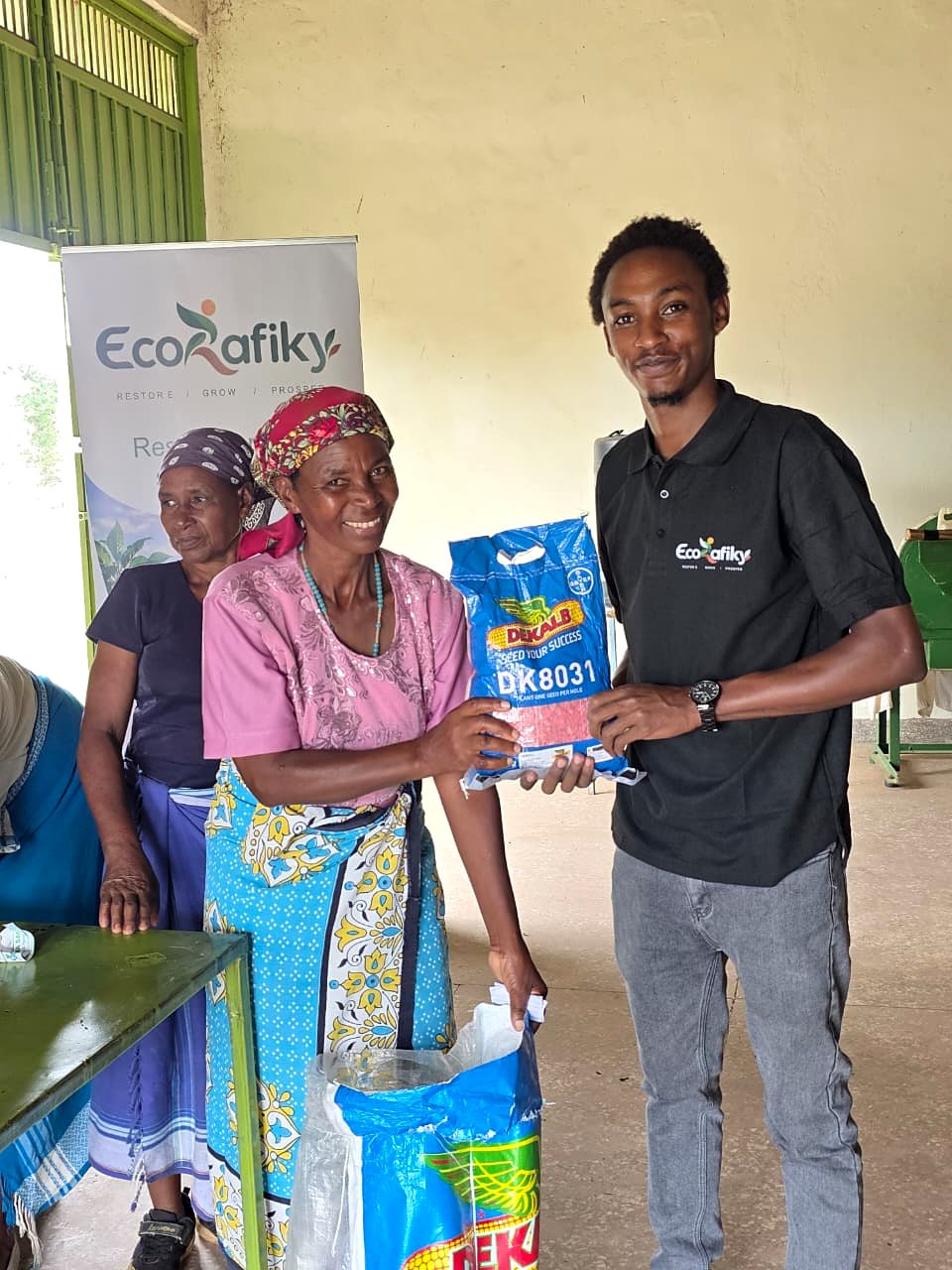
Every woman farmer we work with receives planting material: quality seed and the farm inputs needed to plant well, handed out at group meetings so everyone starts the season together.
Farming education is led by agronomists and agricultural extension officers, who teach climate-smart methods on the farmers' own plots, so the methods are seen, tried and kept. Social education sessions bring the women together in groups to plan, learn and support each other through the season.
The methods we teach
Rippers
A ripper breaks the hard, crusted layer of soil so rainwater soaks in instead of running off, and roots can grow down.
Zai pits
Small planting pits filled with compost or manure catch rainwater and hold it at the roots, so crops survive dry spells.
Biochar
Charcoal made from farm waste is worked into the soil to rebuild carbon, hold moisture and nutrients, and keep the soil alive.
Drought-resistant sorghum
Sorghum's deep roots break compacted soil, bring vegetation cover back and still give a harvest in dry years.
What changes on the land
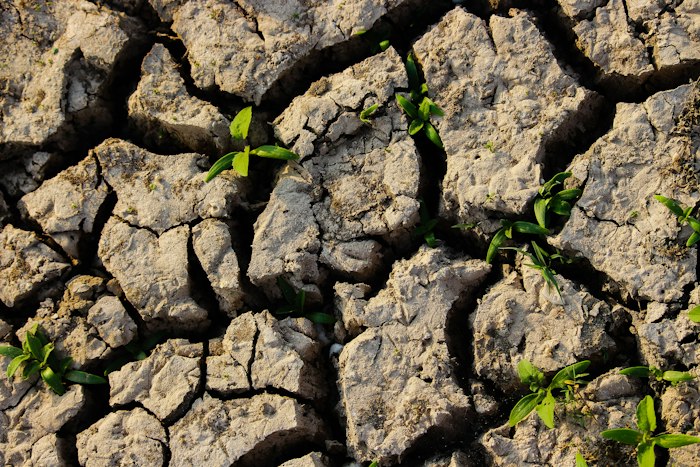
In our 2025 pilot, bare land was restored to around 30% vegetation cover in one season, and 4,200 kg of sorghum were harvested from it.
Our goal is 50% vegetation cover on restored plots, with soil and biomass storing carbon each year, measured and reported openly.